Experience, Imagination, and Hope with BrianJames McMahon
Episode Summary
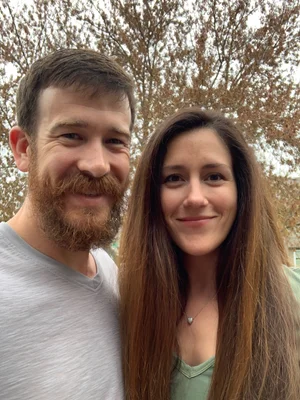
In this episode of the KC Underground podcast, Brian is joined by BrianJames McMahon for a conversation that moves beneath strategy and into formation. Together, they explore the relationship between experience, imagination, and hope, and why so many efforts toward disciple-making and microchurch life stall when imagination has not first been cultivated. The conversation revolves around the idea that we cannot hope for what we cannot imagine, and we cannot imagine what we have not experienced.
Drawing from lived moments, theological insight, and the everyday challenges of movemental leadership, this conversation invites us to reconsider how change actually happens. Rather than trying to convince or compel, they point toward the slow, intentional work of creating experiences and reflecting on them, allowing imagination to grow and hope to take root.
Key Themes & Takeaways
1. Why Experience Matters
BrianJames explains that people often cannot imagine what they have never experienced.
Without imagination, hope becomes difficult to access.
New experiences create the soil where new imagination can grow.
2. Imagination Fuels Hope
Hope is more than agreement or belief.
Hope requires a picture of what could be.
We often “hope forward by remembering backwards,” drawing on past experiences to imagine a future with God.
3. The Limits of Explanation
In missional and microchurch spaces, leaders often try to explain a new paradigm before people have experienced it.
Without embodied examples, people may default to old frameworks like traditional church, small groups, or Sunday-centered rhythms.
Instead of dragging people into a new way, leaders are invited to create small experiences that spark imagination.
4. Jesus Formed Imagination Through Embodiment
Jesus did not simply explain the kingdom; He embodied it.
He invited people to follow, watch, experience, and reflect.
The disciples’ imagination expanded as they saw Jesus heal, forgive, calm storms, and live in union with the Father.
5. Experience Needs Reflection
Experience alone does not automatically transform people.
Transformation happens when experiences are reflected on and integrated.
Leaders can help people process what they notice, what challenges them, and what God might be inviting them into.
6. Becoming an Embodied Witness
BrianJames challenges listeners to consider whether people experience something of Jesus when they experience us.
Hospitality, forgiveness, love, joy, patience, and peace become tangible expressions of the kingdom.
The Church’s witness becomes more credible when Jesus is not only proclaimed, but embodied.
Final Thoughts
This conversation invites disciple-makers to slow down and consider how people actually develop hope. It may not come through louder explanations or stronger arguments, but through embodied experiences of life with Jesus. If we want people to imagine extended spiritual family, everyday discipleship, and kingdom life, we have to help them experience it. Then, through reflection, they can begin to see what God might be inviting them into.