
Throwing Parties
Creating Space for Belonging, Joy, and Gospel Flourishing

Throughout the Gospels, Jesus is constantly around tables. He shares meals in crowded homes and quiet houses, attends weddings, eats with tax collectors, and regularly finds Himself criticized for who He chooses to spend time with. Luke’s Gospel especially carries this rhythm. It’s been said that Jesus is either at a meal, leaving a meal, or headed to the next one.
Luke 7 describes Him this way: “The Son of Man came eating and drinking…”
Jesus moved toward people relationally by creating and joining environments where strangers became friends, outsiders became insiders, and conversations moved beneath the surface of everyday life. Around tables, people experienced joy, belonging, forgiveness, healing, and welcome.
In the Kansas City Underground, we often say that Jesus threw a lot of parties.
By “party,” we simply mean creating intentional space where people can gather, share life, and experience welcome.
People + Food + Joy = Party
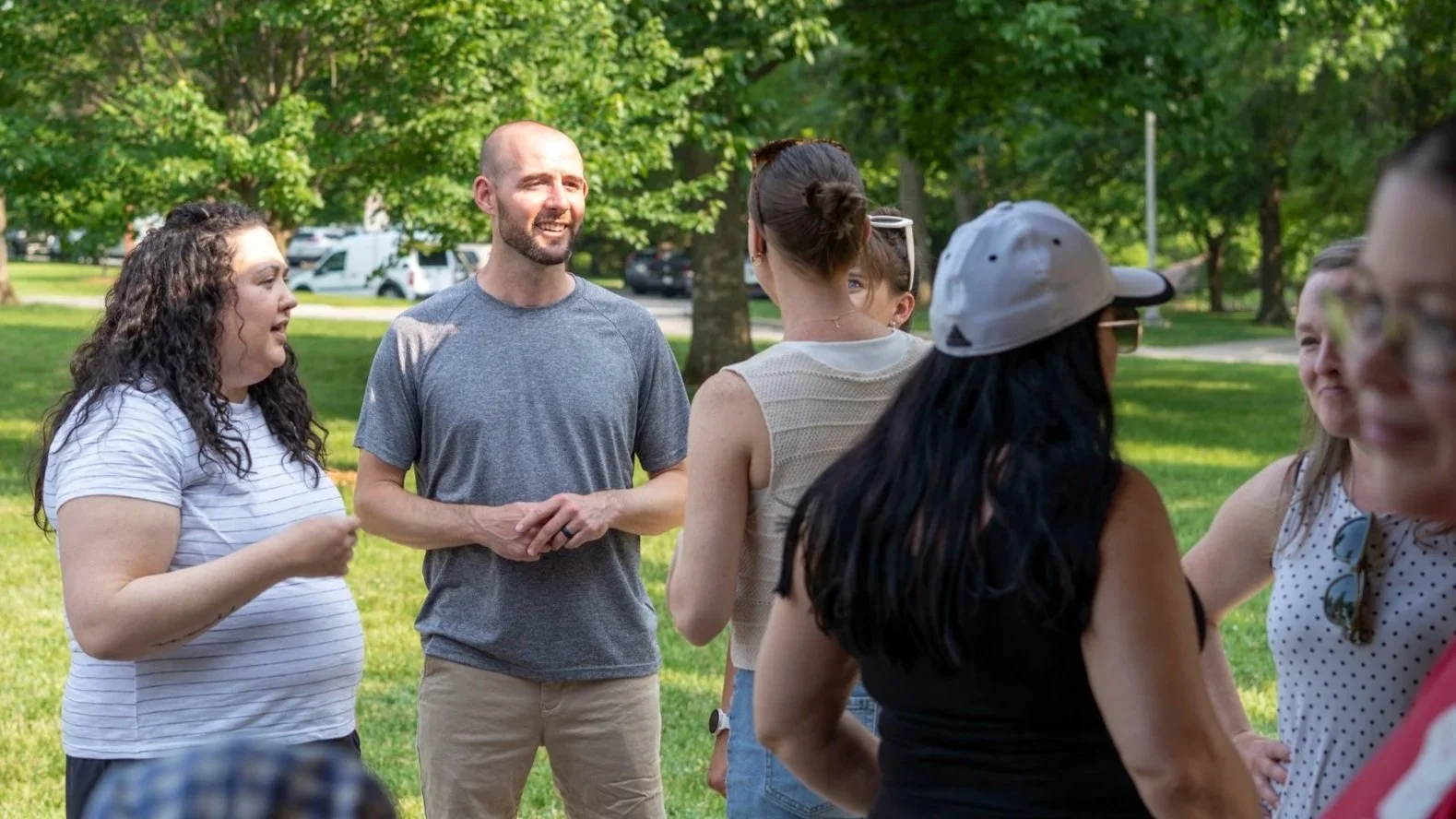
For some, this may look like a backyard cookout with neighbors. For others, tacos with coworkers, dessert with another family, or a fire pit gathering with students. The size matters far less than the posture.
Parties create spaces where relationships deepen naturally. Shared meals interrupt the isolation and disconnection that shape much of modern life. Around tables, people often move from “I’ve seen you” to “We can belong to one another.” Casual conversations become meaningful conversations as people slow down long enough to eat together, laugh together, and tell stories without an agenda.
This is part of why meals mattered so deeply in the ministry of Jesus. Sharing a table communicated acceptance, relationship, and peace. Jesus consistently used meals to move toward people whom others avoided. Throwing parties becomes one small way we learn to do the same.
Not every gathering turns into a spiritual conversation or Discovery Bible Study. Sometimes, the most important thing happening is simply that someone experiences welcome, joy, or friendship in a world increasingly marked by loneliness. At the same time, deeper conversations often emerge naturally because hospitality creates environments where people feel safe enough to be honest.
Throwing parties reminds us that mission often begins through ordinary presence. Over time, ordinary spaces can begin carrying the texture of spiritual family.
How to Throw a Party
You do not need to become someone else in order to practice hospitality. You do not need a large home, a perfect backyard, exceptional cooking skills, or a highly extroverted personality. Most meaningful gatherings are far simpler than people imagine.
The goal is not perfection. The goal is creating space.
Here are a few things to think through as you begin.
Pray
Before you plan anything, begin with prayer.
Ask:
Who is God highlighting right now?
Where is there openness?
Who may need connection, encouragement, or belonging?
What relationships might God already be cultivating?
Pray for peace, joy, meaningful conversation, and attentiveness to the Spirit.
Start Smaller Than You Think
Many people feel overwhelmed because they imagine hospitality at a scale they cannot sustain.
You do not need to invite eighty people into your house.
Jesus shared meals with large crowds, but He also shared deeply personal meals with individuals like Zacchaeus. Small gatherings still matter. A meal with one person can become deeply significant.
Start where you can.
A couple families. Two coworkers. One neighbor. Three students. Small counts.
Find a Teammate
Some people naturally love hosting gatherings. Others feel exhausted simply thinking about it.
That’s okay.
Hospitality does not need to become an individual performance. Find a teammate. Partner with someone who enjoys creating environments, cooking meals, facilitating conversations, or welcoming people.
One person may love preparing food while another naturally draws people into conversation. One person may initiate invitations while another notices who feels uncomfortable or left out.
Shared hospitality often reflects the body of Christ beautifully because different people contribute different strengths.
If you feel intimidated, don’t carry this missional activity alone. Throw parties together.
Create a Welcoming Environment
You are not trying to impress people. You are trying to help people feel at ease.
Think about:
Is there enough seating?
Is the environment relaxed?
Does the space encourage conversation?
Is there food that people can easily share?
Would music help create warmth?
Is the timing realistic for the people you are inviting?
Simple environments are often best because they lower pressure for everyone involved.
Introduce People Well
One of the most important parts of hospitality is helping people attach.
Pay attention to who knows whom.
Help people connect around shared interests, experiences, stories, or life stages. Draw quieter people into conversation gently. Notice who may feel isolated or uncertain.
Good hosts help people feel seen.
Pay Attention to the Spirit
As conversations unfold, remain attentive.
Sometimes people begin opening up about grief, marriage struggles, parenting, loneliness, spiritual curiosity, addiction, fear, or longing. Often these moments emerge naturally within ordinary conversation.
You do not need to force spiritual conversations. You simply need to remain available when they surface.
Ask good questions. Listen carefully. Stay curious about people’s stories.
The goal is not controlling outcomes. The goal is loving people faithfully.
Contextual Considerations
Hospitality takes different forms in different contexts.
Not everyone lives in a neighborhood where inviting the neighbors over feels natural. Some people live in apartments, dorms, urban environments, or transitional housing situations. Others spend most of their relational energy within workplaces, schools, gyms, sports communities, or creative spaces.
The principle remains the same even when the setting changes. The goal is creating intentional space for shared life.
For some people, this may look like:
organizing lunch gatherings at work,
hosting regular coffee meetups,
gathering students after practice,
creating rhythms of shared meals in an apartment complex,
meeting at parks or public spaces,
inviting coworkers to happy hour,
celebrating birthdays intentionally,
or hosting simple gatherings around shared interests.
Context matters. Culture matters too.
Some cultures already understand communal celebration and hospitality deeply. Meals stretch for hours. Multiple generations gather naturally. Celebration and welcome are woven into everyday life.
Other cultures tend to prioritize efficiency, privacy, or busyness, making intentional gatherings feel less natural.
Part of learning hospitality is paying attention to the people and culture around you, rather than forcing a single model everywhere.
Learn what creates warmth, connection, and welcome within your context.

Party Ideas
If you are unsure where to begin, here are a few simple ideas:
Taco night
Backyard cookout
Potluck dinner
Dessert night
Game night
Bonfire
Sports watch party
Neighborhood coffee gathering
Holiday celebration (there’s often a holiday you can gather around each month)
Breakfast gathering
Picnic at a park
Shared meal after work
Cultural celebration meal
Firepit conversations
Birthday party for someone who normally would not be celebrated
Keep it simple enough that you can do it again.
Questions for Reflection
Who are the people already around you?
What relationships feel spiritually open right now?
What fears or assumptions keep you from inviting people in?
What kind of gathering would feel natural within your context?
Who could help you throw a party together?
What would it look like to create one intentional gathering this month?
Final Encouragement
The Kingdom of God often grows through ordinary acts of welcome.
Throughout His ministry, Jesus consistently created space for people who felt distant, overlooked, skeptical, or spiritually hungry. Meals became places where people encountered grace, truth, friendship, and belonging long before they fully understood everything about Him.
We are learning to do the same. We simply need to make room. Throw more parties..
As you do, you may discover that ordinary gatherings become holy ground where people begin experiencing Jesus in ways they can see, taste, and feel.